
Anxiety disorders: understanding the spectrum and finding relief
- 06
March
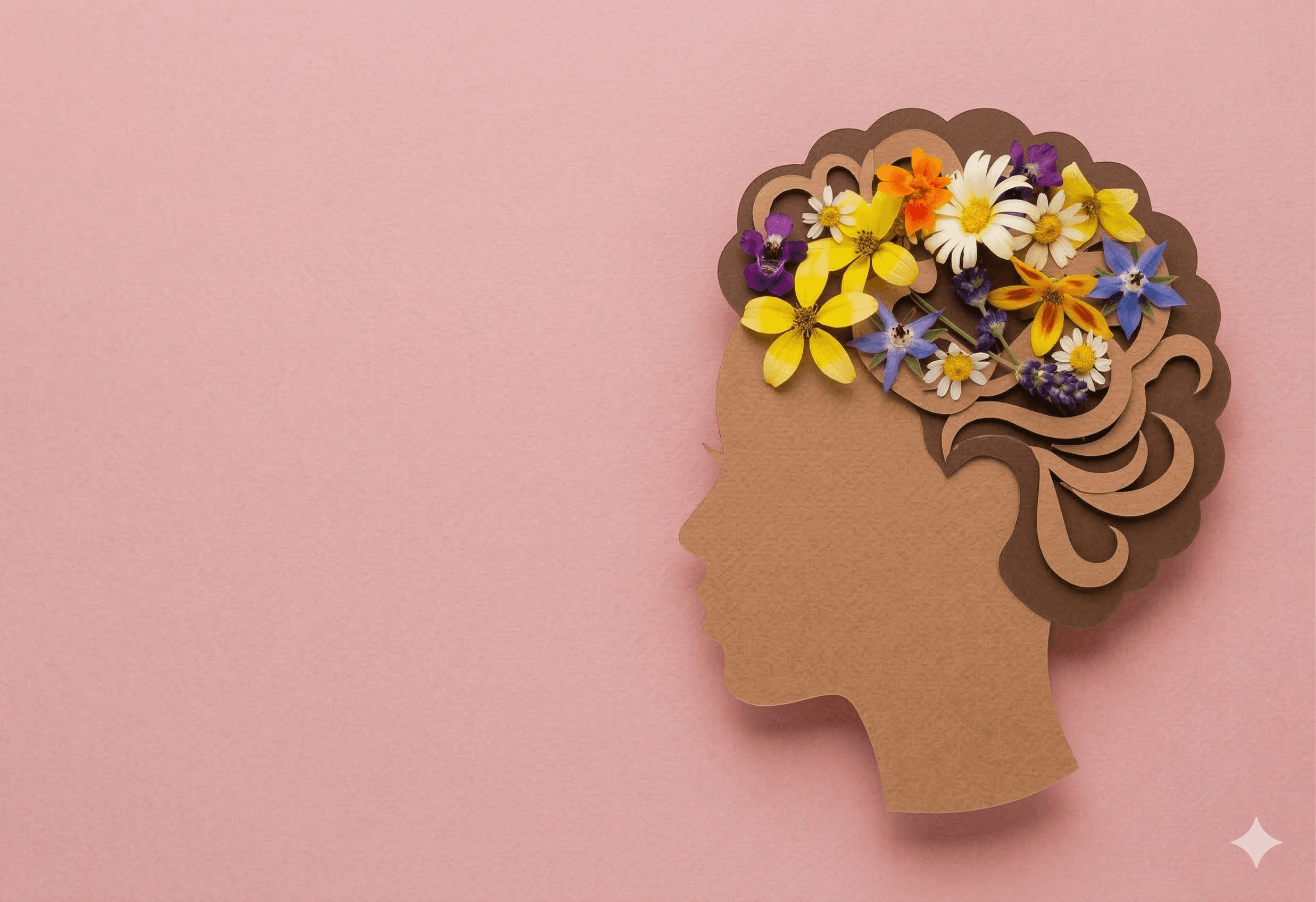


You don't have to control your thoughts. You just have to stop letting them control you.
Anxiety disorders are the most prevalent class of mental health conditions worldwide, affecting an estimated 284 million people globally. Yet anxiety is also one of the most misunderstood — often dismissed as everyday worry or nervousness. The distinction lies in duration, intensity, and functional impairment: clinical anxiety is persistent, disproportionate to the situation, and gets in the way of living.
The anxiety spectrum encompasses generalized anxiety disorder (GAD), panic disorder, social anxiety disorder, specific phobias, agoraphobia, and separation anxiety disorder. Each has a distinct presentation and responds best to targeted interventions, though cognitive-behavioral approaches form the backbone of treatment across all of them.

What anxiety actually does to the body
Anxiety activates the sympathetic nervous system — triggering the fight-or-flight response even in the absence of real danger. Heart rate increases, breathing shallows, muscles tense, and the digestive system slows. Chronic activation of this system takes a measurable toll on cardiovascular health, immune function, and sleep quality. Recognizing these physical manifestations helps de-mystify the experience.
Treatment & self-management
Cognitive-behavioral therapy (CBT) — particularly exposure-based techniques — is the gold standard for anxiety disorders. Acceptance and Commitment Therapy (ACT) is an effective alternative for those who struggle with traditional CBT frameworks. Pharmacologically, SSRIs and SNRIs are first-line; benzodiazepines are used cautiously due to dependence risk. Diaphragmatic breathing, progressive muscle relaxation, and regular aerobic exercise have meaningful evidence behind them as adjunct supports.